
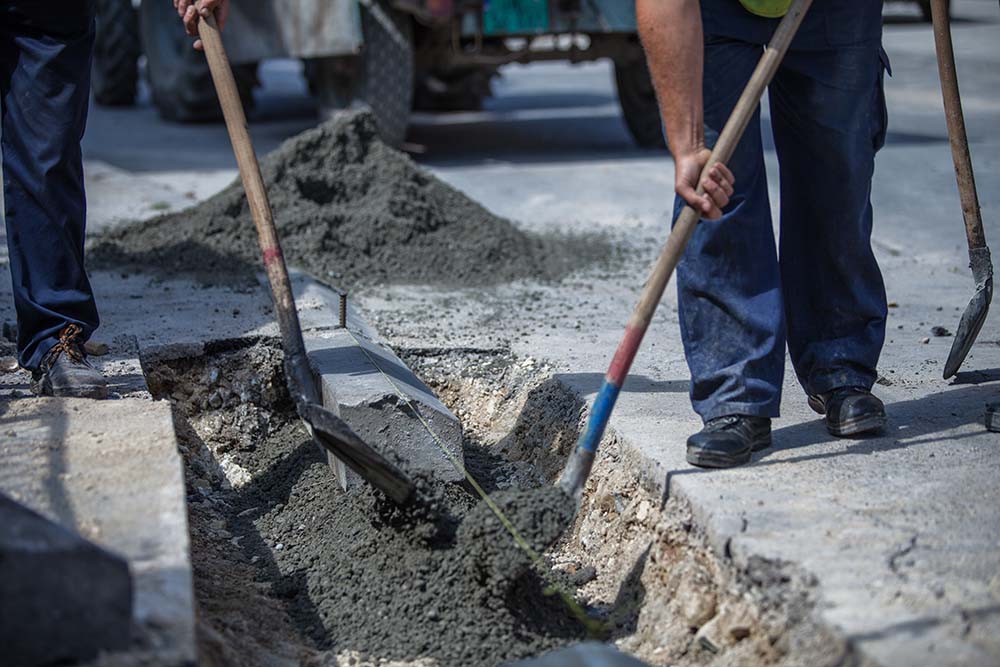
While a crumbling, cracked driveway demands attention, rushing into a replacement during the wrong season can lead to premature surface scaling or structural weakness. Understanding seasonal climate patterns ensures you schedule your project for optimal results and long-term durability.
Embracing the Ideal Temperature Window of Late Spring
Late spring stands out as one of the premier windows for residential concrete replacement because it avoids extreme temperature fluctuations. The moderate daytime temperatures provide a highly predictable environment for the chemical curing process to occur naturally.
- Consistent temperatures between fifty and eighty degrees Fahrenheit prevent the mix from drying out too quickly.
- The absence of sudden nighttime freezes protects the internal moisture balance of the fresh slab.
- Warmer soil conditions allow for proper subgrade compaction before the ready-mix truck arrives.
Operating within this perfect temperature sweet spot minimizes the risk of surface cracking and shrinkage. Homeowners who schedule during this period enjoy a much smoother installation process from start to finish.
Avoiding the Excessive Heat and Quick Drying of Mid-Summer
While summer offers plenty of sunshine, the scorching heat of July and August presents severe challenges for pouring large outdoor slabs. High ambient temperatures cause the water in the concrete mix to evaporate at an accelerated rate, which can compromise structural integrity.
- Rapid evaporation often leads to premature crusting on the surface while the bottom remains wet.
- Fast-setting mix designs under the hot sun reduce the time contractors have to create a beautiful broom finish.
- High heat increases the likelihood of hairline shrinkage cracks developing across the driveway panels.
If you must pour during the peak of summer, experienced crews must work during the early morning hours or use specialized chemical retarders. Taking these extra precautions is vital to prevent the slab from losing its design strength.
Capitalizing on the Calm and Dry Days of Early Autumn
Early autumn is widely considered by industry experts to be the absolute best time of year for residential paving projects. With summer humidity dropping and winter frosts still months away, the climate provides an exceptionally stable environment for finishing flatwork.
- Lower humidity levels allow the concrete to cure at a slow, even pace for maximum compressive strength.
- The autumn season typically brings more predictable, dry weather patterns with fewer sudden afternoon thunderstorms.
- Completing the project in autumn gives the slab ample time to harden completely before winter de-icing salts hit the roads.
Securing a slot on the schedule during the fall guarantees that your new driveway is fully prepared to withstand harsh winter elements. It is an excellent strategy for proactive homeowners looking to upgrade their curb appeal before the holidays.
Navigating the Freeze-Thaw Hazards of Winter Installations
Pouring concrete in the dead of winter is highly discouraged across most American regions due to the destructive nature of freezing temperatures on wet mix. When the water inside unhardened concrete freezes, it expands and permanently destroys the internal crystalline structure.
- Freezing temperatures halt the chemical hydration process completely, leaving the driveway weak and crumbly.
- Subgrades that are frozen cannot be properly leveled or compacted, leading to severe shifting and sinking later on.
- Fresh concrete exposed to winter frost before reaching proper strength will scale, flake, and spall across the surface.
While specialized heating blankets and chemical accelerators exist for winter emergencies, they add significant costs and complications. Waiting for warmer weather is always the safest choice to protect your hard-earned money.
Managing the Unpredictable Heavy Showers of Early Spring
Early spring brings welcome warmth, but it also introduces frequent rainfall that can completely ruin a fresh concrete pour. Excess rainwater washing over uncurved concrete dilutes the surface cement paste, resulting in a weak, dusty finish that easily pits.
- Sudden downpours can wash away the smooth finish and ruin structural control joints.
- Saturated ground conditions make it difficult for heavy ready-mix trucks to navigate your yard without causing damage.
- Excess moisture in the subgrade can trap water under the slab, leading to future mudjacking issues.
Contractors must keep a very close eye on local radar systems during this transitional season to avoid sudden washouts. Proper timing during a clear multi-day window is essential to avoid a construction disaster.
Schedule Your Perfect Driveway Transformation Today
Choosing the right seasonal window to upgrade your home’s entrance safeguards your real estate value and ensures the pavement lasts for decades. Planning ahead allows you to work with premium weather conditions rather than fighting against unpredictable elements.